Define the anchor.
Choose the piece with the greatest visual weight first. In a living room this is usually the sofa. In a bedroom it is the bed. In a dining room it is the table.
FormHaven Editorial Series / 01
Build a room that feels considered from every angle.
A refined home is rarely created by adding more. It is created by establishing proportion, choosing pieces with purpose, controlling visual rhythm, and leaving enough space for every object to matter. This guide brings those decisions into one clear system for living rooms, dining spaces, bedrooms, and the decorative layers that connect them.

01 / Foundation
The strongest rooms establish a visual framework first. Furniture determines scale. Negative space determines calm. Lighting determines atmosphere. Decorative objects should arrive only after those three decisions feel resolved.
Choose the piece with the greatest visual weight first. In a living room this is usually the sofa. In a bedroom it is the bed. In a dining room it is the table.
Empty areas are active design elements. They create circulation, clarify silhouettes, and allow furniture to feel intentional rather than crowded.
Give the eye a clear first, second, and third place to land. Avoid creating several objects that compete with equal intensity.
Repeated shapes, materials, or tones create continuity. Use repetition to connect a room without making every object match.
Select a sofa that establishes the room without consuming it. Keep enough visible floor around the silhouette so its shape remains legible from the main entry point.
A coffee table should visually connect the seating area rather than float as an isolated object. Use its width, height, and distance from the sofa as one composition.
An area rug should define the furniture group. When it is too small, individual pieces appear disconnected. When correctly scaled, the room reads as one unified zone.
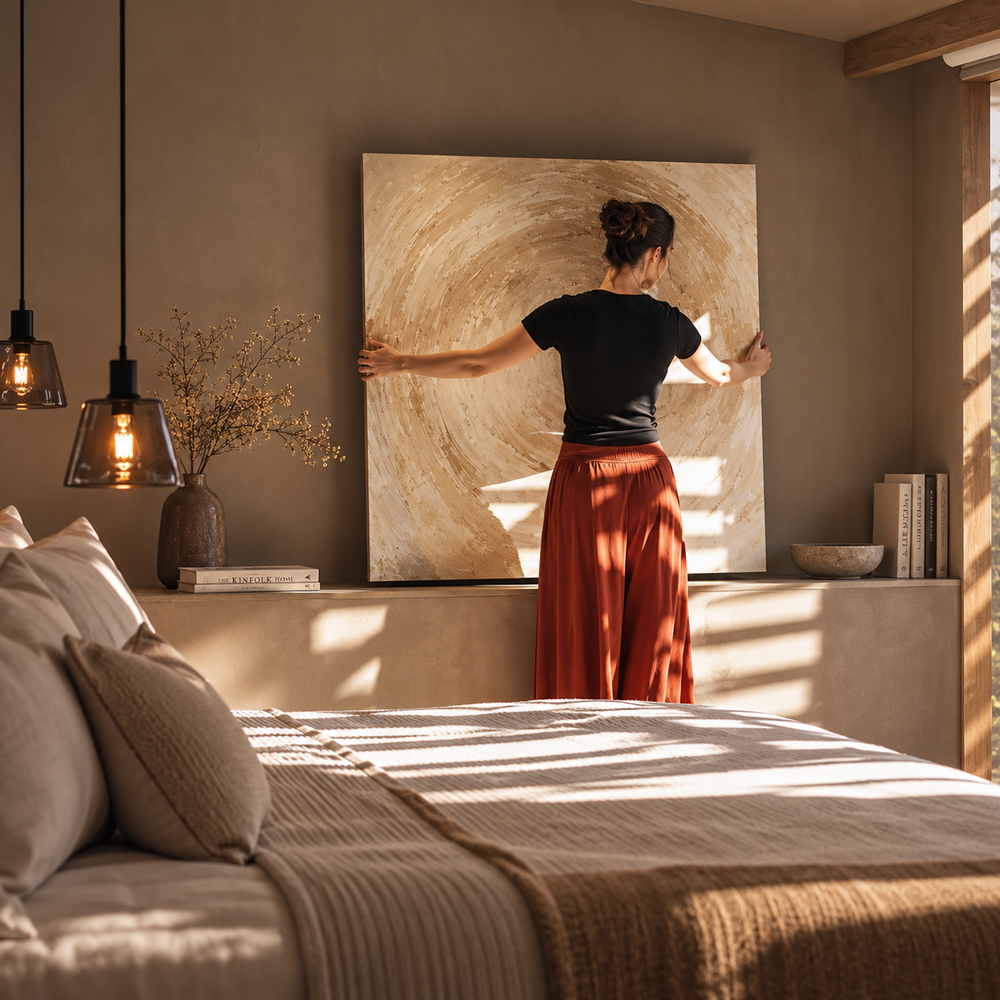
Wall art should respond to the furniture beneath it. Treat artwork, console surfaces, and surrounding negative space as a single visual field.
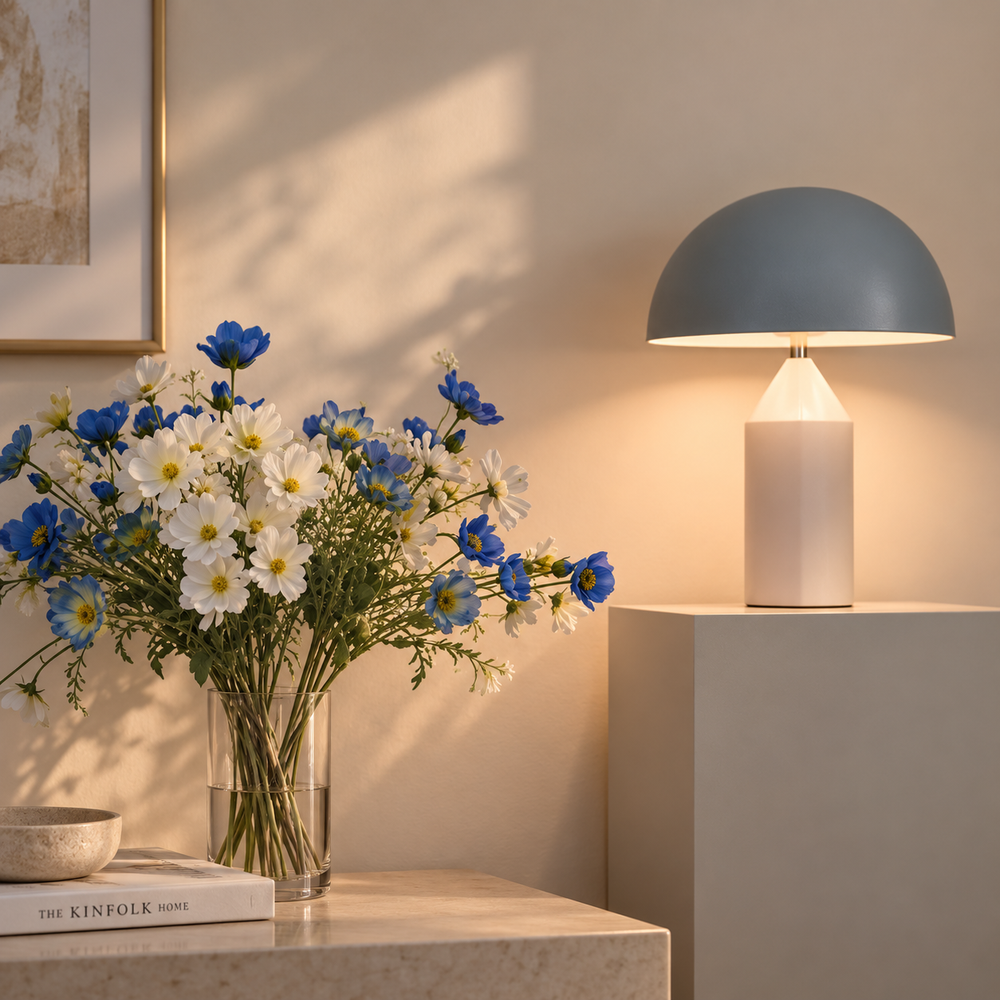
Table lamps work best when their visual weight supports the furniture nearby. A lamp should feel present enough to anchor a surface without overpowering it.
Curtains can visually extend a room upward. Positioning them with attention to the full wall creates a cleaner architectural line and a stronger sense of height.
02 / Core Pieces
FormHaven's furniture and home decor categories can be approached as a coordinated system. Start with architectural furniture, establish functional surfaces, then introduce textiles, lighting, and decorative accents.
Establish the main seating line, visual weight, and conversational orientation of the room.
Furniture / LivingConnect seating, introduce material contrast, and create a controlled surface for styling.
Furniture / LivingCreate the central dining axis and determine the circulation pattern around the room.
Furniture / DiningSet the bedroom's visual center and give the surrounding textiles and storage a clear reference point.
Furniture / BedroomBalance storage with a long horizontal surface that can support lighting, art, and restrained decoration.
Furniture / StorageDefine zones, soften acoustics, and create a foundation that visually gathers furniture together.
Decor / TextilesIntroduce sculptural height and a precise decorative accent without overwhelming the surface.
Decor / ObjectsControl softness, privacy, and the vertical rhythm around windows and architectural openings.
Decor / TextilesAdd localized illumination, vertical emphasis, and a warmer layer of evening atmosphere.
Decor / LightingComplete the vertical composition and introduce a focal point without adding floor-level clutter.
Decor / AccentsVisual Balance / Object Density
Avoid filling every available surface. A coffee table, dresser, or console usually feels more refined when objects are grouped into a limited composition with visible negative space between each visual cluster. Vases, lamps, books, and sculptural accents work best when their heights and volumes are deliberately varied.

03 / Room Plans
Rather than styling from small objects upward, use a consistent order of decisions. The sequence below keeps function, scale, and visual balance aligned before finishing details are introduced.
Build the room around comfort, conversation, and a controlled relationship between upholstery, surfaces, textiles, lighting, and art.
Keep the dining table visually dominant, protect circulation around it, and use decoration to reinforce the table rather than compete with it.
Use the bed as the quiet focal point and let storage, lighting, curtains, and artwork reinforce a sense of order.
The final layer should connect the home without making every room identical. Repeat principles, not exact objects.
04 / Styling Logic
A useful styling formula does not dictate one fixed look. It creates a framework that can adapt to different furniture, room sizes, textures, and decorative objects.
Begin with the sofa, connect the seating area with an appropriately scaled rug, and finish with one intentional decorative focal point.
Combine a low horizontal object, one taller sculptural element, and a deliberately empty zone to keep a surface visually balanced.
Let the bed establish the center, use wall art to complete the vertical field, and soften the architecture with curtains.
Build atmosphere through layered light. Use localized table lighting to create depth and soften transitions after daylight fades.
Keep the dining table dominant, use a single centered accent, and preserve enough clear surface for the room to remain functional.
Treat wall art as part of the furniture composition. The empty space surrounding the work is as important as the artwork itself.
Material Strategy / 05
A restrained palette can still feel rich when materials respond differently to light, touch, and scale. Combine smooth, soft, woven, structured, and sculptural surfaces instead of depending on strong color shifts.
Use the sofa or bed as the room's primary soft mass. Let surrounding objects introduce contrast through harder surfaces and cleaner edges.
Soft / AnchorWood introduces natural visual variation. Repeating related tones across tables, storage, and smaller accents can create continuity without exact matching.
Warm / StructuralStone surfaces add visual permanence and work especially well when paired with softer textiles or rounded decorative forms.
Solid / RefinedRugs and curtains soften architecture, absorb visual noise, and connect larger furniture pieces through texture rather than ornament.
Layered / SofteningVases introduce controlled sculptural form. Their silhouette can provide contrast against straight furniture lines without adding visual clutter.
Sculptural / AccentTransparent and reflective elements reduce visual heaviness and can help maintain openness within smaller compositions.
Light / ReflectiveUse metal selectively to sharpen edges, reinforce structure, or add a small amount of controlled reflection.
Precise / StructuredTreat the wall as part of the material palette. Artwork should complement its scale while preserving enough open surface for the room to breathe.
Field / Background06 / Final Check
A final edit often improves a room more than another purchase. Use these checkpoints to determine whether the composition feels balanced, functional, and complete.
Check every primary path. Furniture should define the room without creating unnecessary obstacles.
The eye should understand where to land first before discovering secondary details.
Compare furniture dimensions, rug coverage, wall art, and decorative objects as one system.
Open floor, clear tabletops, and visible wall area allow individual pieces to remain distinct.
Evaluate the room in the evening. Table lamps and localized light should create comfortable depth.
Combine tactile differences so a restrained palette still feels layered and visually complete.
Remove pieces that repeat the same visual function without adding a meaningful new layer.
A polished room should remain personal, comfortable, and useful rather than feeling overly staged.
07 / Store Service
FormHaven supports the selection process with straightforward service standards designed for customers shopping throughout the United States.
Assistance is available around the clock when you need help with your order.
Every product includes free shipping with no additional shipping charge.
Orders are delivered within an estimated three to five business days.
Selected furniture and decor pieces may be available with a twenty percent discount.
Free returns and exchanges are available within thirty days.
FAQ / 08
Every question remains closed by default. Open only the topics that are relevant to the room you are currently planning.
Start with the largest functional piece, usually the sofa. Once its scale and position are established, choose the coffee table, area rug, lighting, and decorative accents in relation to that anchor.
Protect clear circulation paths, avoid filling every wall, and leave visible space around major furniture. On tables and dressers, group a limited number of objects rather than covering the entire surface.
Think of the rug as the visual foundation of the seating group. It should be large enough to connect the primary furniture instead of appearing as a small isolated rectangle in the center of the floor.
Use a small number of elements with different heights and shapes. A low object, a sculptural vase, and a deliberate open area can create more visual impact than several small decorative pieces.
Position wall art in relation to the furniture below it, not only in relation to the wall itself. Treat the artwork, furniture, and negative space as one combined composition.
Curtains can create a stronger vertical line and soften the architecture around windows. Consider their full relationship to the wall height, window width, nearby furniture, and natural light.
No. A home can feel cohesive without repeating identical furniture. Carry consistent principles between rooms, such as proportion, material relationships, restrained styling, and a shared sense of visual rhythm.
Review lighting, textiles, wall composition, and negative space before buying more furniture. Often a better lamp, correctly scaled curtains, one piece of wall art, or removing unnecessary objects creates the strongest improvement.
Yes. FormHaven provides free shipping on all products.
FormHaven orders are delivered within an estimated three to five business days.
FormHaven provides free returns and exchanges within thirty days.
Yes. FormHaven provides twenty-four-hour, seven-day customer support.
FormHaven / Design Support
