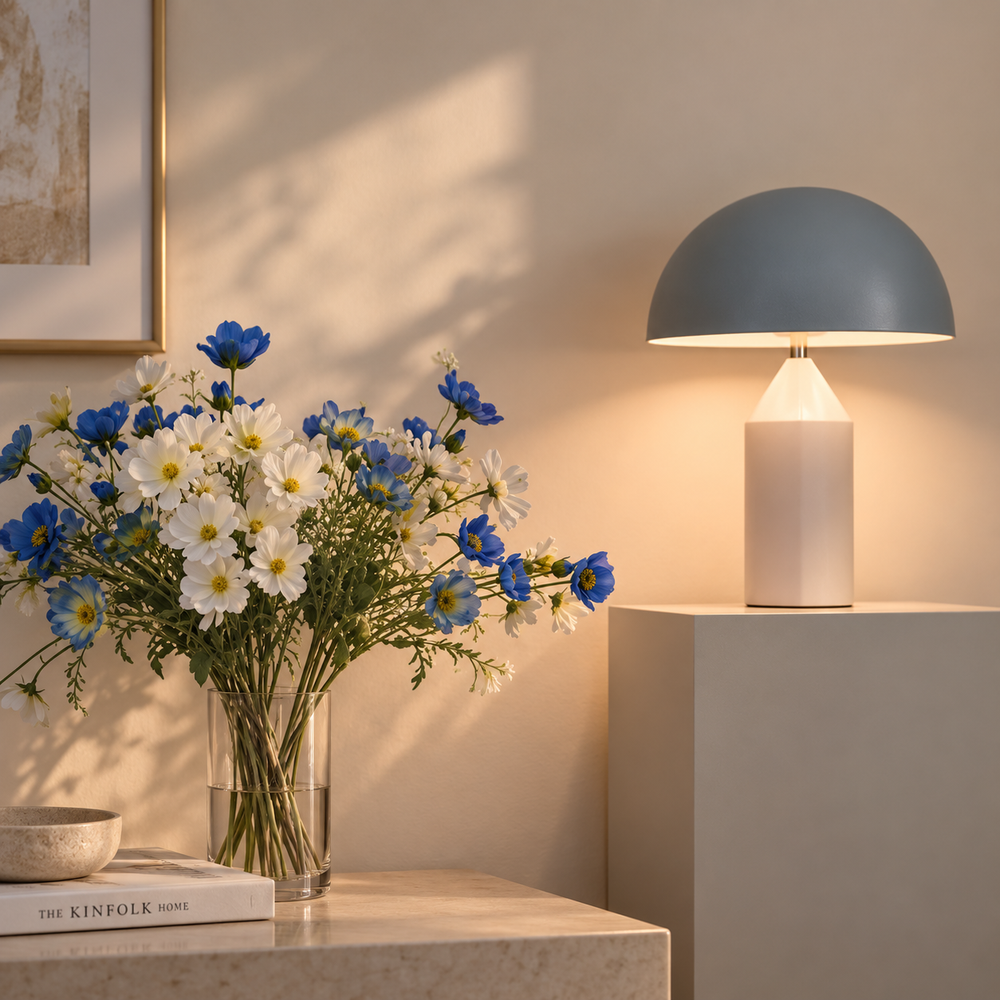

Remove Dust Early
Dust can become abrasive when repeatedly pressed into a surface. Regular light cleaning is gentler than occasional aggressive cleaning.
FormHaven Product Care Manual
Thoughtful care helps every piece age with greater beauty, comfort, and character.

01 / Care Foundations
The most effective care is usually preventative rather than corrective. Furniture and decor naturally respond to light, temperature, humidity, pressure, movement, dust, moisture, and repeated contact. A thoughtful care routine helps manage those everyday influences before they become visible wear.
Begin with gentle methods. Dust regularly. Blot rather than scrub. Lift rather than drag. Protect surfaces from heat and standing moisture. Rotate textiles so wear remains even. Keep delicate finishes away from prolonged direct sunlight. Small habits like these protect both the material and the design language of the room.
Natural variation is also part of many materials. Grain direction, stone movement, woven texture, ceramic irregularity, tonal shifts, and subtle changes in patina may develop over time. These characteristics are not necessarily defects. They are often part of what gives a well-used interior depth and individuality.
The Essential Four
Different materials require different treatment, but several principles remain consistent across upholstery, wood, metal, rugs, curtains, lighting, ceramics, and decorative surfaces.
Dust can become abrasive when repeatedly pressed into a surface. Regular light cleaning is gentler than occasional aggressive cleaning.
Standing liquid can stain textiles, swell wood, mark finishes, affect metal surfaces, and weaken some adhesives. Address spills promptly.
Hot cookware, radiators, strong heat vents, fireplaces, and prolonged high temperatures can affect finishes, fabrics, adhesives, and natural materials.
Rotate cushions, rugs, decorative objects, and frequently used surfaces where appropriate so sunlight and daily use do not concentrate in one area.
02 / Material Care Guide
A cleaner that performs well on one surface can permanently alter another. Before treating any visible area, identify the material and test the method on a small concealed section whenever possible.
Vacuum gently using an upholstery attachment and low suction. Attend to crumbs and dust along seams and beneath loose cushions. Rotate reversible cushions regularly where construction allows. For spills, blot immediately with a clean absorbent cloth and follow the cleaning code provided with the item.
Avoid Vigorous rubbing, oversaturating the fabric, harsh stain removers, bleach, unapproved steam cleaning, and concentrated heat.
Dust with a soft dry or slightly damp microfiber cloth. Wipe in the direction of the grain and dry immediately. Use coasters, placemats, trivets, and protective pads beneath objects that may transfer moisture, heat, dye, or scratches.
Avoid Standing water, abrasive pads, strong solvents, silicone-heavy polishes, prolonged direct sunlight, and placing hot objects directly on the surface.
Wipe dust with a soft cloth and clean spills promptly. Use a mild product suitable for the specific stone type when necessary. Natural stone can be porous, so coasters and protective mats are recommended for frequently used surfaces.
Avoid Acidic cleaners, vinegar, abrasive powders, harsh scrubbing tools, prolonged standing liquid, and assumptions that every stone finish can be treated identically.
Remove dust with a soft cloth. For routine cleaning, use a lightly dampened cloth followed immediately by a dry one. Decorative finishes may be intentionally delicate, so use only non-abrasive methods.
Avoid Steel wool, abrasive cleaners, chemical polishes not approved for the finish, prolonged moisture, and repeated contact with corrosive household substances.
Vacuum regularly using a setting suitable for the pile. Rotate the rug periodically to encourage more even wear. Use an appropriate rug pad to improve stability and reduce friction. Blot spills promptly and work from the outer edge toward the center.
Avoid Aggressive beater bars on delicate constructions, soaking the rug, scrubbing spills outward, and leaving the same area exposed to concentrated sunlight for long periods.
Remove dust periodically using low-suction vacuuming or gentle shaking. Follow the sewn-in care label before washing, steaming, ironing, or dry cleaning. Support long panels while handling to avoid pulling on seams and header construction.
Avoid Washing without checking the label, excessive heat, strong bleach, and allowing damp curtains to remain bunched or pressed against furniture.
Dust with a soft dry cloth. If the piece is intended to hold water, dry the exterior immediately after filling and avoid leaving moisture beneath the base. Use protective pads on delicate furniture surfaces.
Avoid Abrasive scouring, sudden temperature changes, impact against hard surfaces, and assuming every decorative ceramic vessel is watertight unless specified.
Disconnect power before cleaning. Dust shades and bases gently with methods appropriate to their materials. Keep cords free from pinching and check that bulbs remain within the recommended specification.
Avoid Cleaning while powered, spraying liquid directly onto electrical components, covering ventilation areas, or using a bulb that exceeds the stated wattage.
Dust frames and protected surfaces using a soft dry cloth. Lift framed pieces from both sides when moving them. Maintain secure mounting hardware and choose placement away from unnecessary moisture or extreme temperature changes.
Avoid Spraying cleaner directly onto frames or artwork, dragging frames across walls, and hanging delicate works where strong sunlight reaches them for extended periods.
03 / Cleaning Method
More product does not mean better cleaning. Begin with the gentlest method that is appropriate for the material, then increase treatment only when the product instructions allow it.
Confirm the primary material, finish, upholstery code, removable-cover instructions, or care label before introducing any liquid or cleaning product.
Use a soft cloth, appropriate vacuum attachment, or gentle brush to remove loose debris before wet cleaning. This reduces the chance of grinding particles into the surface.
When a treatment is permitted, test it on a small concealed area and allow the section to dry fully. Check for color shift, texture change, staining, or finish alteration.
Use minimal moisture and controlled pressure. Blot rather than scrub on absorbent surfaces, and wipe along the natural grain or construction where relevant.
Remove excess moisture and allow the area to dry with natural air circulation. Avoid concentrated heat unless specifically permitted by the product instructions.
Once fully dry, check the result before repeating treatment. Repeated cleaning while a surface is still damp can increase the risk of rings, texture changes, or finish damage.
When Something Spills
The safest immediate response is often simple: contain the spill, absorb excess liquid, avoid spreading it, and then follow the care method appropriate to the material.
Use a clean absorbent cloth and press gently. Avoid scrubbing, which can push the spill deeper into fibers or spread it across a larger area. Continue only with methods permitted by the upholstery care code.
Wipe away liquid promptly and dry the area. On wood, stone, or finished metal, do not allow moisture to pool around seams, joints, decorative objects, or hardware.
Blot from the outer edge toward the center and check beneath the rug. Moisture trapped between the rug and floor can affect both surfaces, so allow the area to dry completely before restoring normal placement.
04 / Placement & Environment
Materials respond to their surroundings. Intense sun can shift color. Very dry air can affect natural materials. Excess humidity can encourage swelling or moisture-related issues. Strong heat sources can dry finishes and textiles. Thoughtful placement helps reduce unnecessary stress before cleaning is ever required.

05 / Everyday Use
The best routine fits naturally into daily life. Each major product category benefits from one or two simple habits that help reduce concentrated wear and unnecessary maintenance.
Fluff and rotate loose cushions where appropriate. Vacuum seams and crevices regularly. Avoid repeatedly sitting on arms or placing heavy objects on cushion edges.
Use coasters and protective pads. Lift decorative objects rather than sliding them. Wipe spills immediately and keep hot items off unprotected surfaces.
Use placemats and trivets during meals. Clean crumbs before wiping to reduce fine scratches. Do not allow wet glassware or serving pieces to remain overnight.
Keep upholstered headboards dust-free, avoid pushing the frame against damp walls, and periodically confirm that accessible hardware remains secure.
Distribute weight sensibly across the top and inside drawers. Keep tracks and hardware free from debris. Protect the top from cosmetics, moisture, and hot styling tools.
Rotate periodically, use an appropriate rug pad, vacuum with settings suited to the pile, and address spills before they migrate through the fibers.
Use protective pads beneath ceramic pieces, dry condensation promptly, and lift each piece from the base instead of pulling from a narrow neck.
Dust periodically, keep hems away from persistent floor moisture, and use the care label before attempting washing, steaming, or ironing.
Disconnect power before cleaning. Keep cords accessible and undamaged, dust shades gently, and always use the recommended bulb specification.
Dust frames lightly, keep mounting points secure, and reduce prolonged direct sunlight or moisture exposure where possible.
06 / Recommended Routine
A light recurring routine is generally easier on materials than infrequent intensive cleaning. Use this schedule as a practical framework and adjust it to your household, product construction, material, and level of daily use.
Remove visible dust, vacuum high-use upholstery and rug areas where appropriate, inspect for fresh spills, and wipe frequently touched hard surfaces using the correct method.
Rotate loose sofa cushions, reposition rugs where practical, move decorative objects slightly, and review areas receiving concentrated sunlight or repeated use.
Clean beneath movable objects, inspect seams and hardware, dust lamps and wall art, check rug edges, and remove debris that has collected around furniture bases.
Reassess sunlight as the season changes, review heating and cooling placement, inspect textiles for uneven fading, and adjust furniture or decor where concentrated exposure is developing.
For persistent stains, delicate upholstery, specialty rugs, difficult finishes, or damage beyond routine maintenance, consider a professional cleaner experienced with the specific material.
07 / Protect the Finish
Many care problems come from overcorrection: too much water, too much pressure, too much cleaner, or an attempt to remove a mark before identifying the material. Restraint is part of good maintenance.
Excess moisture can move beneath surfaces, create rings, affect adhesives, distort fibers, or cause swelling in natural materials.
Abrasive pressure can damage fibers, spread stains, dull finishes, and permanently alter the texture of a visible area.
Combining products can create unpredictable chemical reactions and may permanently damage the surface being treated.
Lift furniture and decorative pieces properly when repositioning them. Dragging can damage floors, legs, joinery, rug fibers, and protective pads.
Heat can affect finishes, textiles, stone treatments, adhesives, and electrical products. Use protective barriers and appropriate clearances.
Product-specific instructions take priority over general guidance, especially for upholstery, curtains, rugs, lighting, and specialty finishes.
08 / Care Questions
All questions are closed by default. Open only the information you need.
Light vacuuming can be performed regularly based on use. High-contact areas may need more frequent attention, while deeper cleaning should follow the specific upholstery care code and manufacturer instructions for the item.
Not automatically. Different wood finishes respond differently to solvents, oils, waxes, alcohol, silicone, and other cleaning ingredients. Begin with a soft cloth and only use a cleaner approved for the specific finish.
Remove excess liquid promptly without spreading it. Blot absorbent surfaces with a clean cloth and dry hard surfaces carefully. Then follow the care guidance for the specific material before applying any cleaner.
Many materials can change gradually with time, sunlight, use, and environmental exposure. Rotating movable pieces and reducing prolonged direct sunlight can help encourage more even aging.
Periodic rotation is generally helpful because it can distribute foot traffic and sunlight more evenly. Always move the rug carefully and use a suitable rug pad where appropriate.
Only when the care label specifically permits machine washing. Curtain fabrics, linings, pleats, coatings, and decorative finishes may require different methods, so always follow the instructions provided with the product.
Disconnect the lamp from power first. Dust the shade and base gently according to their materials. Never spray liquid directly onto sockets, wiring, switches, or other electrical components.
We recommend using trivets, heat-resistant mats, or another suitable protective barrier. Direct heat can mark or damage wood, stone treatments, veneers, coatings, and other surface finishes.
Stop before escalating to stronger products unless the care instructions specifically permit them. Persistent stains on delicate upholstery, specialty rugs, wood, stone, or finished surfaces may be better handled by a professional familiar with the material.
Rotate reversible cushions, reposition rugs where practical, vary decorative objects, manage sunlight, and avoid repeatedly concentrating pressure or use on the same area.
FormHaven Care Philosophy
Good care does not keep a home frozen in place. It allows furniture and decor to develop naturally while protecting the proportions, textures, finishes, and details that made each piece worth choosing. Treat materials gently, respond to spills promptly, maintain a simple routine, and allow normal character to emerge with everyday use.
FormHaven customer support is available 24/7.
